Owning a home is one of life's most significant milestones. However, along with the joy of having your own space comes the responsibility of maintaining it. One critical aspect that often gets overlooked, especially by first-time homeowners, is the plumbing system. Understanding how your plumbing works, recognizing potential issues, and knowing when to call in a professional can save you time, money, and stress.
The Basics of Residential Plumbing
At its core, a residential plumbing system comprises various components designed to ensure that water flows effectively into and out of your home. This includes pipes, fixtures, appliances, and drainage systems. Each part plays a crucial role in delivering clean water for drinking and sanitation while removing waste efficiently.
Water enters your home through a main supply line connected to municipal sources or a private well. From there, it branches off into smaller pipes that lead to faucets, toilets, showers, and appliances like dishwashers and washing machines. On the flip side, wastewater exits through drain lines that ultimately connect to the main sewer line.
Understanding this basic layout is vital. It helps you recognize which parts of the system are responsible for different functions and where potential problems might arise.
Common Plumbing Problems
Every homeowner eventually encounters plumbing issues at some point. Being aware of common problems can help you identify them early and mitigate damage before they escalate. Here are several typical concerns:
Leaks: Leaks can occur in any part of your plumbing system—pipes may corrode or joints might fail over time. A small leak can quickly become a significant issue if left unchecked.
Clogs: Drain clogs are another frequent headache for homeowners. Hair, grease, soap scum, and foreign objects can accumulate in pipes leading to slow drainage or complete blockages.
Low Water Pressure: If you notice diminished water pressure at your faucets or showerheads, it could indicate mineral buildup within pipes or more serious issues with your water supply.
Running Toilets: A toilet that won’t stop running is not just an annoyance; it wastes water and increases your utility bills.
Sewer Backups: Perhaps the most unpleasant situation involves sewer backups where wastewater flows back into your home instead of exiting properly.
hot water tank installationRecognizing these issues early allows you to take action promptly—whether through DIY fixes or calling in a licensed plumber for more complex repairs.
Regular Maintenance Matters
Just like any other system in your home, regular maintenance is essential for ensuring the longevity and efficiency of your plumbing system. Neglecting routine checks can lead to costly repairs down the road.
Here are some maintenance tips every homeowner should consider:
- Inspect visible pipes regularly for signs of corrosion or leaks. Clear drains periodically using safe methods such as boiling water or vinegar and baking soda rather than harsh chemicals. Test faucets for leaks by checking for consistent dripping when turned off. Flush your water heater annually to remove sediment buildup and improve efficiency. Consider periodic sewer line cleaning to prevent clogs caused by tree roots or debris accumulation.
By staying proactive with these tasks, you can help prevent many common plumbing problems before they escalate into emergencies requiring immediate attention from emergency plumbing services.
When to Call a Professional
While some plumbing issues may seem manageable as DIY projects, You can find out more certain situations require expertise from licensed plumbers who have training and experience in handling complex systems safely.
You should always consult a professional plumber when:
- You encounter persistent leaks despite attempts at repair. Clogs are recurring after multiple attempts at clearing them. You suspect sewage backups in your home. Your hot water tank shows signs of rust or leaking. You need extensive pipe replacement or trenchless pipe repair due to root intrusion or aging infrastructure.
Having access to 24/7 plumber services means you can get assistance whenever emergencies arise without waiting until business hours.
Understanding Your Water Heater
One key component that deserves special attention is the water heater. Whether it's a traditional tank model or a modern tankless version, understanding how it operates will help keep it running smoothly over time.
Regular maintenance is essential for extending the lifespan of your water heater and ensuring optimal performance. For instance:
Temperature Setting: Keep your thermostat set around 120 degrees Fahrenheit for energy efficiency while still providing adequate hot water.
Flushing: Schedule annual flushing of sediment from the tank if using a traditional model—this prevents corrosion and improves heating efficiency.
Insulation: Insulate exposed pipes leading from the heater to minimize heat loss during transit.
Anode Rod Replacement: Check the anode rod every few years; replacing it can greatly extend the life of your unit by preventing rust formation inside the tank.
In cases where repairs exceed economic feasibility due to age or condition—such as needing frequent hot water tank repairs—it may be wiser financially to invest in new hot water tank installation instead.
Emergency Preparedness
Plumbing emergencies often strike unexpectedly; being prepared significantly reduces potential stress during such incidents. Here’s how homeowners can ready themselves:
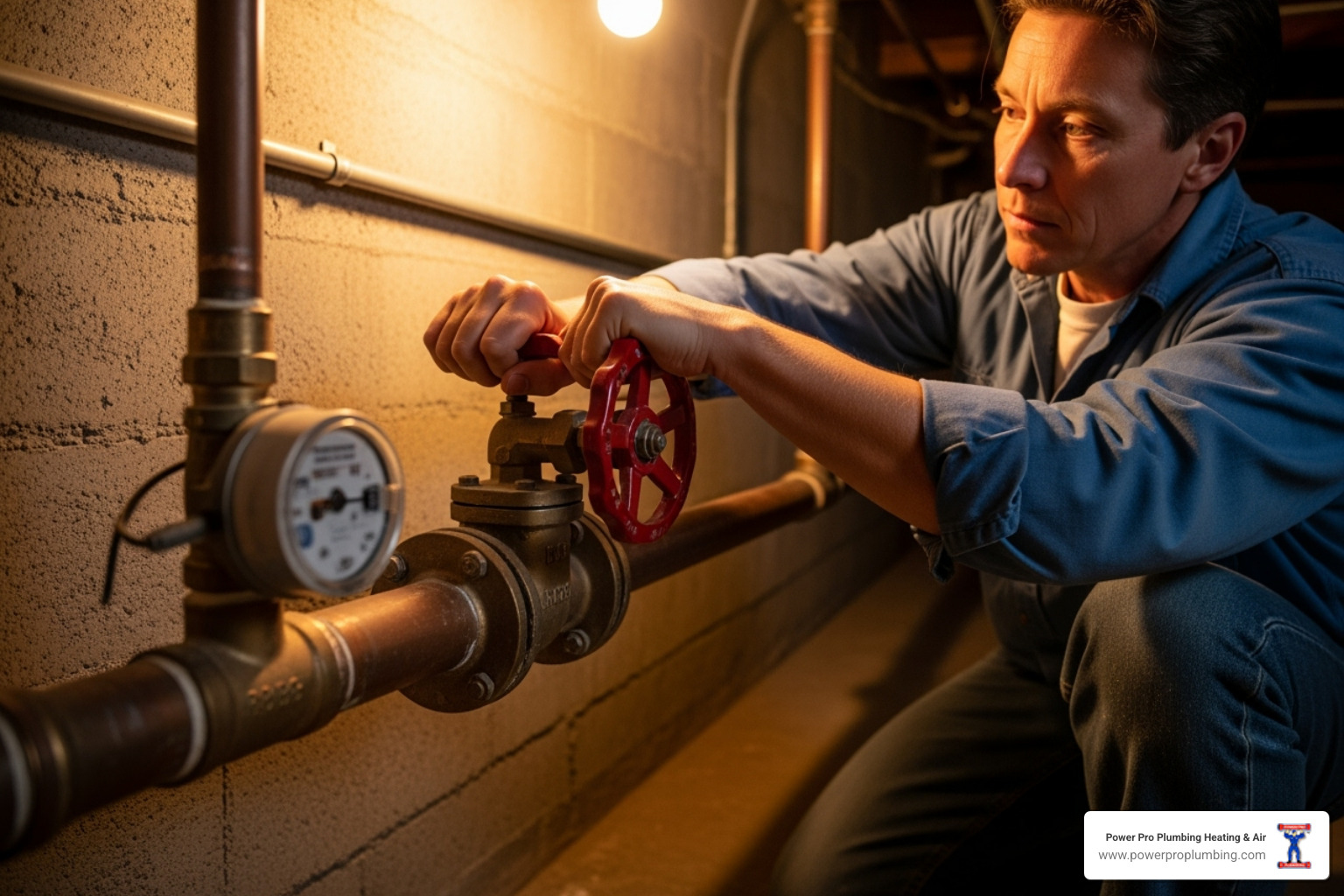
- Know where your main shut-off valve is located so you can quickly stop water flow during serious leaks. Familiarize yourself with contact information for local emergency plumbing services available 24 hours per day—the ability to reach someone skilled quickly makes all the difference when time is critical. Have basic tools on hand—a plunger for minor clogs; adjustable wrenches; tape measures; pipe sealant—all useful items should an urgent situation arise requiring immediate attention before professional help arrives.
Being equipped with knowledge about these resources ensures you're well-prepared when faced with any sudden plumbing crises that may demand swift action on your part!
Understanding Plumbing Codes
Every municipality has specific building codes governing residential plumbing installations—from pipe materials used down through venting requirements—designed primarily around safety standards ensuring public health protection against contaminated drinking supplies while also minimizing risks associated with improper waste disposal practices contributing toward environmental issues over timeframes too long otherwise unaddressed!
Familiarizing yourself with relevant local codes allows new homeowners insight into permissible actions regarding renovations involving existing structures—including repiping efforts undertaken later should anything break down beyond feasible repair limits encountered previously! Hiring licensed plumbers helps guarantee compliance throughout processes undertaken since they remain up-to-date concerning evolving regulations impacting both quality assurance surrounding workmanship performed alongside safeguarding homeowner interests present throughout construction phases executed thereafter!
Finding Reliable Plumbing Services
When seeking assistance from professionals regarding repairs needed within homes' respective infrastructures relating specifically toward their unique setups currently installed therein—it's paramount homeowners conduct thorough research leading toward identifying trustworthy local providers possessing valid licenses alongside positive reviews gathered across multiple platforms beforehand!
Asking friends/family members recommendations aligned closely resembles practical strategies employed often yielding fruitful results alongside direct inquiries made towards community forums discussing personal experiences shared openly detailing satisfaction levels achieved following engagements undertaken previously experienced firsthand!
Be sure also look out signs indicating reliability including transparent pricing structures offered upfront outlining potential costs incurred associated various service levels provided under differing circumstances encountered thereby eliminating surprises felt afterward post-service completion stages reached upon conclusion thereafter!
Conclusion
Being mindful about understanding one's home's plumbing system empowers new homeowners tremendously! Knowing what common problems exist enables proactive measures taken early addressing concerns before they escalate further creating inconvenience later on down lines encountered subsequently encountered thereafter! Regular maintenance plays pivotal role safeguarding integrity overall functionality maintained effectively across entire networks established throughout residences built accordingly designed purposefully serving needs required daily basis effectively utilized without issue!
Take control today by educating yourself thoroughly regarding entire scope related topics discussed above empowering healthier living environments facilitated through informed decisions made consistently ensuring prosperity longevity enjoyed across homes built today remaining functional tomorrow continuing thrive enduring challenges faced ahead!