Owning a home comes with its fair share of responsibilities, and plumbing is one of the most critical aspects that can affect your comfort and safety. Unfortunately, many myths about plumbing circulate among homeowners, leading to misunderstandings and potentially costly mistakes. This article aims to debunk some common plumbing myths and provide valuable insights for maintaining your home's plumbing system.
Myth 1: All Plumbing Problems Are Easy Fixes
One prevalent misconception is that all plumbing issues are simple enough for a DIY fix. While minor problems like a clogged drain may seem manageable with a bit of effort, many plumbing situations require the expertise of a licensed plumber. For instance, issues such as persistent leaks or sewer backups often indicate more significant problems within the system that need professional evaluation. Attempting to tackle these challenges without the right knowledge or tools can lead to further damage and higher repair costs down the line.
Consider this: if you notice water pooling around your foundation or strange noises coming from your pipes, it might be tempting to ignore them or think they will resolve themselves. However, these signs usually indicate underlying issues that require immediate attention from an experienced plumber who can diagnose and address the root cause effectively.
Myth 2: You Can Flush Anything Down the Toilet
Another common myth is that toilets can handle any waste product. While modern toilets are designed for efficiency, they are not equipped to handle items like paper towels, sanitary products, or even certain types of food waste. Flushing inappropriate items can lead to clogs in your plumbing system, necessitating drain cleaning services or emergency plumbing interventions.
To prevent such incidents, it is best practice to use toilets solely for human waste and toilet paper. Educating every member of your household on proper toilet etiquette can save you from unexpected plumbing headaches.
Myth 3: A Leaky Faucet Is Just an Annoyance
Many homeowners dismiss a leaky faucet as nothing more than an annoyance. However, this seemingly minor issue can result in significant water wastage over time. A dripping faucet might waste several gallons of water each day, leading to higher utility bills and unnecessary strain on local water resources.
Moreover, the underlying cause of a leak could be indicative of other issues within your plumbing system. It might signal deteriorating washers or O-rings that require replacement. Ignoring these leaks can also lead to more severe problems like mold growth due to prolonged moisture exposure around sinks and countertops.
Myth 4: All Plumbing Systems Are the Same
Plumbing systems vary significantly depending on factors such as location, age of the home, and local building codes. Many homeowners mistakenly believe that one-size-fits-all solutions apply universally across different properties. For instance, older homes may have galvanized steel pipes prone to corrosion while newer constructions typically utilize PEX or PVC pipes.
Understanding your specific plumbing system's layout and materials is essential for effective maintenance and repairs. Consulting with a residential plumber familiar with local regulations ensures you receive tailored solutions that adhere to safety standards.
Myth 5: Chemical Drain Cleaners Are Always Effective
Chemical drain cleaners are often marketed as quick fixes for clogged drains; however, their effectiveness varies widely depending on the nature of the blockage. While they may work on minor clogs caused by hair or soap buildup, more severe blockages—such as those caused by tree roots infiltrating sewer lines—require professional intervention through services like rooter services or main sewer line cleaning.
Additionally, frequent use of chemical cleaners can harm your pipes over time by causing corrosion or damaging seals in older systems. A safer alternative is regular drain maintenance practices combined with professional help when necessary.
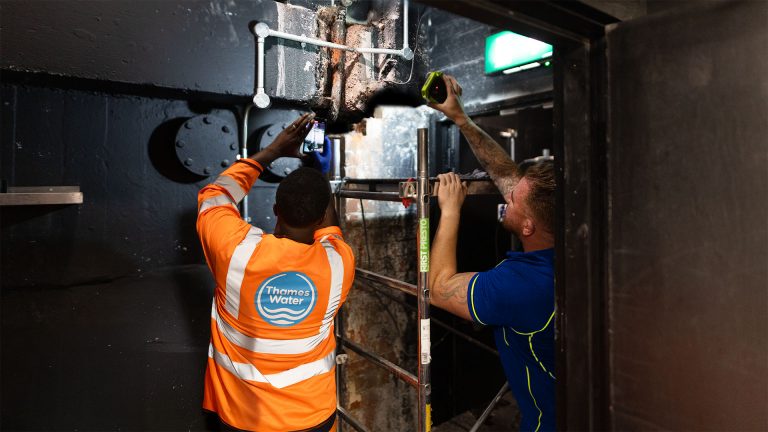
Understanding Your Plumbing System
To navigate common misconceptions effectively, it's vital to have a grasp of how your plumbing system operates overall. From supply lines bringing fresh water into your home to drainage systems carrying wastewater away, understanding these components helps you identify potential problems early on.
Key Components of Your Plumbing System
Water Supply Lines: These deliver clean water from municipal sources or private wells into your home. Drainage System: This network carries wastewater away from sinks, showers, toilets, and other fixtures. Vent Pipes: Essential for allowing air into the drainage system; they help prevent vacuum formation that could impede flow. Traps: Located under sinks and other fixtures; traps hold water that creates a seal against sewer gases escaping into living spaces. Main Sewer Line: The primary pipe that connects your home's drainage system to the municipal sewer or septic tank; keeping this clear is crucial for preventing backups.Familiarizing yourself with these components not only aids in identifying issues but also helps when discussing potential repairs with professionals.
The Importance of Regular Maintenance
Regular maintenance plays a pivotal role in prolonging the lifespan of your plumbing system while preventing major breakdowns down the line. Homeowners should schedule routine checks with a licensed plumber who can inspect critical elements such as pipes for leaks or corrosion—especially in older homes—or assess hot water tanks for signs of wear.
Implementing seasonal check-ups allows you to catch small issues before they escalate into costly repairs requiring extensive work like pipe replacement or trenchless pipe repair methods.
Emergency Plumbing Situations You Should Know
Even with preventive measures in place, emergencies do occur—and knowing how to respond can save you time and money during stressful situations:
- Burst Pipes: If a pipe bursts due to freezing temperatures or excessive pressure buildup within the system, turn off your main water supply immediately before calling an emergency plumber. Sewer Backup: Signs include foul odors emanating from drains or multiple fixtures backing up simultaneously; don't attempt DIY fixes here—contact professionals promptly. No Hot Water: If you're experiencing cold showers unexpectedly despite having hot water tank installations recently performed—check circuit breakers first before contacting service providers specializing in hot water tank repair. Severe Clogs: If plunging does not resolve stubborn blockages after several attempts—avoid using harsh chemicals—and reach out instead for expert assistance through clog removal services tailored toward tough cases like root intrusions affecting main lines.
Understanding these scenarios ensures you remain calm under pressure while seeking help efficiently—the hallmark trait distinguishing proactive homeowners.
Final Thoughts on Common Plumbing Myths
By debunking prevalent myths surrounding residential plumbing systems—homeowners empower themselves with knowledge necessary for navigating maintenance challenges confidently professional sewer cleaning while avoiding costly missteps along their journey towards effective homeownership!
Investing time into learning about basic concepts related directly back towards personal experiences empowers individuals not only make informed decisions regarding repairs but also fosters relationships built upon trust between clients seeking reliable plumbers within their communities! Ultimately proactive engagement transforms daunting tasks into manageable solutions paving paths toward healthier living environments where functionality reigns supreme!